

Future of Sustainable Aviation Fuel Explained
Date Published
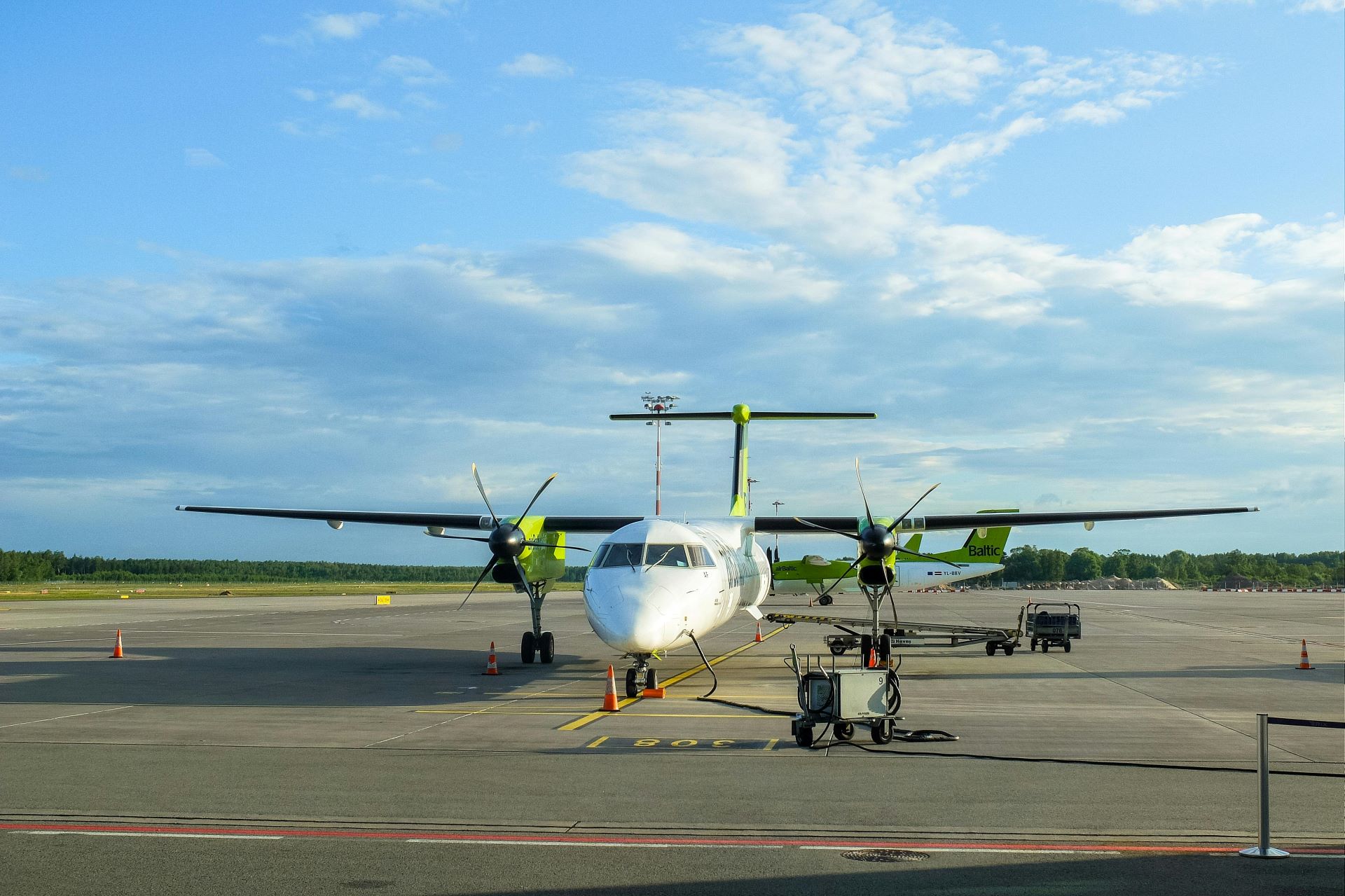
The Promise of Sustainable Aviation Fuel in Modern Flight
The aviation industry stands at a turning point where environmental responsibility is no longer optional but strategically essential. The rise of sustainable aviation fuel (SAF) represents one of the most promising pathways toward reducing carbon emissions without grounding global mobility.
Air travel continues to be a backbone of international tourism, business connectivity, and economic circulation. For the airline tourism sector, cleaner fuel technology is not simply a sustainability initiative but a survival strategy in a world increasingly shaped by climate policy and consumer awareness.
Organizations such as International Air Transport Association have projected ambitious net-zero targets for aviation by mid-century. These targets depend heavily on the widespread adoption of alternative fuels capable of integrating with existing jet engine infrastructure.
Unlike radical propulsion overhauls that require entirely new aircraft designs, SAF allows airlines to transition gradually. This compatibility is crucial because the global fleet currently represents billions of dollars in invested hardware that cannot be replaced overnight.
The tourism sector is particularly sensitive to fuel innovation. Holiday destinations, island economies, and long-haul travel corridors depend on affordable air transport. Sustainable fuel development must therefore balance environmental performance with commercial practicality.
However, the journey toward cleaner skies is complex. Production capacity, distribution networks, and market pricing all influence whether SAF will become a mainstream solution or remain a premium niche product.

Understanding What Makes Aviation Fuel Sustainable
Sustainable aviation fuel is produced from renewable biological or waste-based feedstocks rather than conventional petroleum extraction. Some variants are derived from agricultural residues, used cooking oils, or specially cultivated energy crops.
The environmental advantage lies in lifecycle carbon reduction. While combustion still releases carbon dioxide, the overall process can achieve significantly lower net emissions because the feedstock absorbed carbon during its growth phase.
Airlines have shown growing interest in blending SAF with conventional jet fuel. Many current commercial standards allow mixtures where SAF constitutes a certain percentage of the total fuel volume used in aircraft tanks.
Leading aviation manufacturers are also supportive. Engine systems from major aerospace engineering companies are already certified to operate using approved SAF blends without performance loss.
Tourism operators benefit indirectly from this technological compatibility. Airlines can market greener flight options without disrupting ticket pricing structures dramatically, at least during early adoption stages.
Yet sustainability credentials alone do not guarantee scalability. The challenge lies in turning experimental production into an industrial-scale commodity capable of powering millions of flights annually.
Scalability Barriers in Global SAF Production
Perhaps the most significant obstacle facing sustainable aviation fuel is production volume.
Current global SAF output represents only a small fraction of total jet fuel consumption. Even optimistic forecasts suggest that supply expansion will require massive infrastructure investment over the next two decades.
Feedstock availability is a fundamental constraint. Many biofuel pathways rely on agricultural materials that compete with food production or land use for cultivation. This creates ethical and economic tensions in regions where food security remains fragile.
Processing technology also influences scalability. Advanced conversion methods require specialized refineries capable of transforming raw biomass into aviation-grade fuel with strict purity standards.
The tourism industry must recognize that fuel sustainability is not solely an airline problem. Agricultural policy, waste management systems, and industrial chemical engineering all intersect within the SAF value chain.
Some countries are experimenting with municipal waste conversion programs that transform urban refuse into energy feedstock. These initiatives could be particularly relevant for large tourist hubs that generate substantial seasonal waste.
However, scaling such programs globally is difficult. Transporting raw biomass over long distances can negate environmental gains and increase operational costs.
Developing regional production clusters near major airport corridors may offer a more practical model. This approach reduces logistics complexity while supporting local employment ecosystems linked to tourism.
Cost Implications for Airlines and Passengers
Price remains the most sensitive variable shaping the future of sustainable aviation fuel adoption.
At present, SAF is generally more expensive to produce than conventional jet fuel. The difference arises from technological complexity, limited manufacturing scale, and feedstock processing costs.
For airline operators, fuel expenditure represents one of the largest operational expenses. Even a small price increase per litre can significantly influence route profitability, especially for long-haul tourism flights.
Some carriers are absorbing early SAF costs as part of corporate environmental commitments. Others are passing partial expenses to passengers through sustainability surcharges.
The tourism market response to such pricing strategies is still evolving. Research suggests that environmentally conscious travellers may accept modest ticket price increases if they believe their travel choices reduce ecological impact.
Luxury tourism segments and premium international routes are more likely to absorb SAF pricing premiums during the early adoption phase. Budget travel corridors, however, may resist cost escalation.
Governments are beginning to explore subsidy frameworks and tax incentives to accelerate adoption. Carbon pricing mechanisms could also shift market behaviour by making traditional jet fuel relatively less attractive.
The financial equation of SAF therefore depends on technological maturity, regulatory pressure, and consumer willingness to support greener travel.
Airline Investment Strategies and Industry Collaboration
Major airline groups are not waiting for perfect market conditions before entering the SAF ecosystem.
Carriers are forming strategic alliances with energy companies, research laboratories, and agricultural technology firms. The objective is to create vertically integrated supply chains capable of stabilizing fuel pricing.
For example, partnerships between aviation operators and renewable energy producers are exploring hybrid production systems that combine solar electricity with biomass processing.
International tourism routes require coordinated policy alignment across multiple jurisdictions. A flight travelling across continents may encounter different environmental regulations, carbon taxation systems, and fuel certification standards.
The role of organizations such as Airbus SE and Boeing Company is particularly important because aircraft design compatibility influences future fuel specifications.
Airframe manufacturers are working alongside fuel scientists to ensure next-generation aircraft maintain performance efficiency when operating on high-percentage SAF blends.
Some aviation planners envision a future where tourist flights operate using nearly carbon-neutral fuel mixtures. This transition will not happen overnight but through incremental blending ratios that rise over time.

Infrastructure Challenges at Global Tourism Airports
Airport infrastructure plays a silent but decisive role in determining SAF adoption speed.
Fuel storage facilities must be upgraded to handle new chemical compositions associated with sustainable fuel blends. Existing pipelines and tanker systems may require material compatibility testing.
Tourist-heavy airports face additional complexity because seasonal passenger surges require flexible fuel supply chains.
Large international hubs must maintain emergency reserves, manage aircraft turnaround schedules, and coordinate with multiple airlines simultaneously.
Ground service operators will need new training programs to handle sustainable fuel logistics safely. Although SAF is generally considered chemically stable, handling protocols must still meet aviation safety regulations.
Emerging smart airport concepts are integrating digital monitoring systems to track fuel quality, storage temperature, and supply movement in real time.
These developments align with broader transformation trends in tourism transport, where automation and predictive maintenance are becoming standard operating practices.
Environmental Impact Beyond Carbon Reduction
The tourism industry’s environmental responsibility extends beyond greenhouse gas emissions.
Sustainable aviation fuel may also help reduce particulate pollution at airport zones. This improvement could benefit communities living near major travel corridors.
Noise pollution remains a separate challenge that SAF does not directly address, although future engine optimization may deliver secondary benefits.
Ecotourism destinations are increasingly marketing low-carbon transport options as part of their visitor experience branding.
Island nations dependent on aviation tourism are especially interested in SAF because their economic survival is closely linked to air accessibility.
For these regions, sustainable fuel adoption is not merely environmental policy but economic resilience planning.
Consumer Perception and Marketing Opportunities
Travellers are becoming more environmentally aware, and airlines are adjusting communication strategies accordingly.
Some airlines now offer voluntary carbon contribution programs during ticket purchase. These programs often fund SAF research or environmental restoration projects.
Marketing sustainable travel experiences can strengthen destination branding. Tourism boards are beginning to promote flights powered partly by renewable aviation fuel as premium eco-conscious travel options.
However, transparency is essential. Consumers are increasingly skeptical of vague sustainability claims and prefer measurable environmental performance data.
Airlines that publish verified emissions reductions and fuel sourcing information may gain competitive advantage in the global tourism marketplace.
Long-Term Outlook for Tourism Aviation Energy
The future of aviation energy will likely involve a hybrid ecosystem rather than a single dominant technology.
Sustainable aviation fuel will probably coexist with hydrogen propulsion experiments, battery-assisted flight systems, and improved aerodynamic efficiency.
For the tourism industry, the transition represents both risk and opportunity.
Destinations that align early with low-carbon aviation trends may attract environmentally conscious travellers and corporate sustainability events.
Yet the greatest uncertainty remains cost parity. SAF must eventually approach conventional fuel pricing levels to become universally accessible across all tourism markets.
Global cooperation will determine success. No single country can independently transform aviation energy systems because flight networks function as interconnected arteries of international movement.
The next decades will therefore be shaped by scientific innovation, financial investment, and shared climate responsibility.
The Role of Policy and Global Cooperation
Government policy will act as the wind that fills the wings of sustainable aviation progress.
Regulatory frameworks are already emerging in several regions that require airlines to gradually increase renewable fuel usage.
Subsidy programs, research funding, and international environmental agreements will influence industry behaviour.
Tourism-dependent economies must participate in these discussions because aviation accessibility directly influences visitor arrivals, hotel occupancy, and cultural exchange.
The challenge is designing policy structures that encourage innovation without imposing sudden economic shocks on travel markets.
Balancing ecological urgency with economic stability will remain one of the defining governance tasks of the aviation century.
Sustainable aviation fuel represents one of the most promising bridges between modern mobility and environmental responsibility.
While airlines are investing heavily in cleaner energy solutions, the path to universal SAF adoption is shaped by production scalability, technological maturity, and pricing structures.
Tourism aviation stands to benefit enormously if these challenges are addressed through global collaboration and infrastructure investment.
The sky above future travellers may look the same as today’s blue horizon, but the energy carrying aircraft across it could be fundamentally different.
The transformation will not happen with sudden cinematic drama but with steady engineering patience, like turning a massive, elegant aircraft toward a more sustainable wind.