

How Airline Route Maps Quietly Shape Travel Desire
Date Published
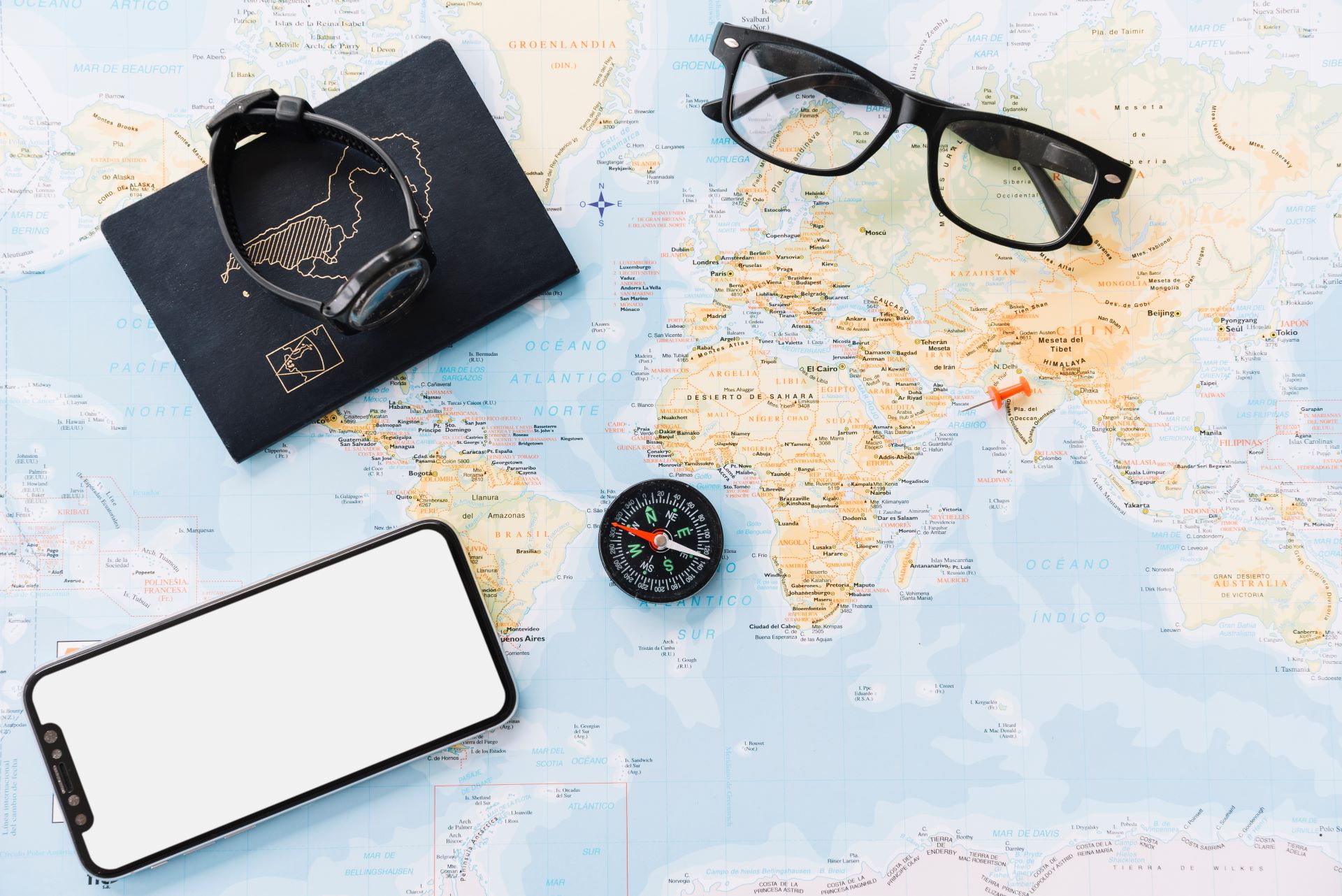
Airlines rarely tell travellers where to dream. They do not need to. The influence is already embedded in the quiet geometry of their route maps, in the presence or absence of lines stretching between cities. Before a destination is described as exotic, affordable, or must-see, it must first exist as a possibility. And in air travel, possibility begins with availability.
This article explores how airline route networks subtly shape tourism demand by guiding attention, lowering psychological barriers, and redefining what feels accessible. Without slogans or campaigns, airlines influence where travellers imagine themselves going next.
The Route Map as a Psychological Object
An airline route map looks factual and neutral, but it functions as a powerful psychological cue. It presents the world not as it is, but as it can be reached. Cities connected by direct lines feel closer, safer, and more achievable than those left disconnected, even if the actual distance differs very little.
For travellers, especially leisure travellers, the route map becomes a mental menu. Destinations on the map feel endorsed by the airline’s presence. Those off the map feel obscure, complicated, or risky. This effect operates quietly, often below conscious awareness, but it plays a decisive role in shaping desire.
In tourism psychology, availability strongly influences preference. People are more likely to want what they can easily imagine accessing. When a destination appears repeatedly in airline booking tools, route maps, airport signage, and in-flight magazines, it becomes familiar. Familiarity reduces uncertainty, and reduced uncertainty encourages action.
Availability Bias in Airline Tourism
Availability bias refers to our tendency to overvalue options that come easily to mind. Airlines exploit this not through messaging, but through infrastructure. When a route exists, it becomes cognitively available.
A destination served by multiple daily flights feels popular and desirable, regardless of its intrinsic qualities. A destination served by one seasonal route feels niche. A destination not served at all barely registers, even if it is geographically close or culturally rich.
Airlines reinforce this bias through repeated exposure. Search engines prioritise direct routes. Booking platforms default to shortest travel times. In-flight entertainment and duty-free magazines highlight destinations already within the network. Over time, travellers learn to equate ease of access with desirability.
This explains why certain cities become tourism powerhouses while others struggle for visibility. The difference is not always attractions or pricing, but network presence.
Direct Flights and the Illusion of Closeness
Nothing reshapes travel desire more effectively than the introduction of a direct flight. Direct routes collapse perceived distance. A ten-hour journey with a connection feels longer and more daunting than a twelve-hour direct flight.
Airlines understand this well. When a direct route launches, tourism boards often follow with marketing campaigns, but the psychological shift happens before the advertising. The destination suddenly feels closer, more practical, and more suitable for shorter trips.
This effect is particularly strong in long-haul tourism. Destinations that move from one-stop to non-stop often see disproportionate increases in leisure travel, even when prices remain similar. The route itself becomes the message. The airline is silently saying: this place is now within reach.
Network Density as a Signal of Importance
Airline networks do more than connect cities. They assign importance. Hub cities with dense connections feel central to global travel culture. Secondary cities with fewer routes feel peripheral, regardless of their cultural or natural appeal.
For tourists, this shapes itinerary planning. A city with extensive connections feels like a logical starting point, a place worth seeing simply because it is well-connected. Cities with limited connections feel like detours.
This perception influences tourism flows. Travellers are more likely to visit places that fit easily into multi-city trips. Airlines, by deciding which cities become hubs and which remain spokes, influence how destinations are combined, sequenced, and prioritised.
Seasonal Routes and the Language of Timing
Seasonal routes communicate subtle messages about when a destination should be experienced. A summer-only route suggests a place is best enjoyed during warm months. A winter-only route frames a destination as a cold-weather escape or festive experience.
These signals shape travel habits. Travellers learn to associate destinations with specific seasons, often aligning their expectations with the airline’s operational choices. The route schedule becomes a cultural calendar.
Even the disappearance of a route sends a message. When a seasonal route does not return, it quietly suggests declining relevance or demand. Over time, these patterns influence collective travel narratives about when and where to go.
Low-Cost Carriers and the Democratisation of Desire
Low-cost airlines have had a profound impact on tourism psychology. By expanding routes to secondary cities and less traditional destinations, they have reshaped what feels like a viable holiday choice.
When a low-cost carrier opens a route, it reframes the destination as affordable, casual, and accessible. The presence of budget flights lowers the psychological stakes of travel. Travellers feel freer to experiment, to visit places they might not otherwise prioritise.
This has driven tourism growth in unexpected regions. Cities once considered industrial or unglamorous have become weekend break destinations simply because flights are frequent and inexpensive. The airline does not need to market the city aggressively. The route itself signals permission to explore.
Legacy Airlines and the Prestige Effect
While low-cost carriers democratise access, legacy airlines shape aspiration. Their route maps often reflect historical ties, business demand, and premium tourism flows. Being served by a major international airline carries symbolic weight.
For destinations, inclusion in a legacy airline’s long-haul network signals legitimacy. It suggests the destination is globally relevant, safe, and worthy of international attention. This influences traveller perception, particularly among premium and long-haul tourists.
Cabin classes, lounges, and alliance networks further reinforce this effect. A destination connected through multiple alliance partners feels embedded in global travel culture. The airline network becomes a proxy for status.
The Role of Frequency in Shaping Confidence
Frequency matters as much as presence. A daily flight suggests reliability and importance. A weekly flight suggests risk and limitation. Travellers subconsciously interpret frequency as a measure of demand and stability.
High-frequency routes reduce anxiety. They offer flexibility, backup options, and reassurance. This makes travellers more willing to commit time and money. Low-frequency routes feel fragile, more vulnerable to disruption.
Airlines use frequency strategically to build confidence in new destinations. Initial low-frequency routes test demand, but once frequency increases, tourism often accelerates. The shift from weekly to daily can dramatically change perception.
Stopovers and the Accidental Destination
Stopover programs reveal another subtle way airlines shape tourism. By encouraging travellers to pause in hub cities, airlines introduce destinations that might never have been primary choices.
These stopovers reframe hubs as destinations in their own right. A city becomes familiar through a short stay, increasing the likelihood of a return visit. Over time, this builds tourism demand organically.
Even without formal stopover programs, connection patterns influence exposure. Airports become gateways to cultural imagery, cuisine, and retail experiences. The airline network quietly curates these encounters.
Route Withdrawals and the Fading of Desire
Just as new routes generate interest, withdrawn routes erode it. When an airline exits a market, the destination loses visibility. It becomes harder to imagine visiting, even if alternative routes exist.
This effect can be long-lasting. Tourism demand often declines faster than it recovers, because absence disrupts familiarity. Reintroducing a route requires rebuilding not just capacity, but confidence and imagination.
Airlines rarely intend to influence tourism negatively, but their commercial decisions ripple outward. Route planning becomes an unspoken form of tourism policy.
Data, Demand, and the Self-Fulfilling Loop
Airlines rely on data to plan routes, but that data is shaped by existing demand. This creates a feedback loop. Popular destinations receive more flights, which increases visibility and demand, making them even more popular.
Emerging destinations struggle to break into this cycle. Without routes, they lack exposure. Without exposure, demand remains low. Airlines, by responding to demand, inadvertently reinforce existing travel hierarchies.
Some destinations break through via incentives or partnerships, but the underlying psychology remains. Once a route exists, desire has room to grow.
The Quiet Power of Airline Choices
Airlines do not need to tell stories to shape tourism trends. Their route maps do the storytelling for them. Each line drawn across a map suggests possibility. Each blank space suggests absence.
Travellers build their dreams from what feels available. The psychology of availability turns operational decisions into cultural influence. Airlines, intentionally or not, guide the flow of curiosity, aspiration, and movement across the globe.
Understanding this quiet power offers insight into why certain destinations rise, why others fade, and how travel desire is shaped long before a ticket is booked. In airline tourism, silence speaks volumes.