

What Happens When You Miss Your Flight?
Date Published
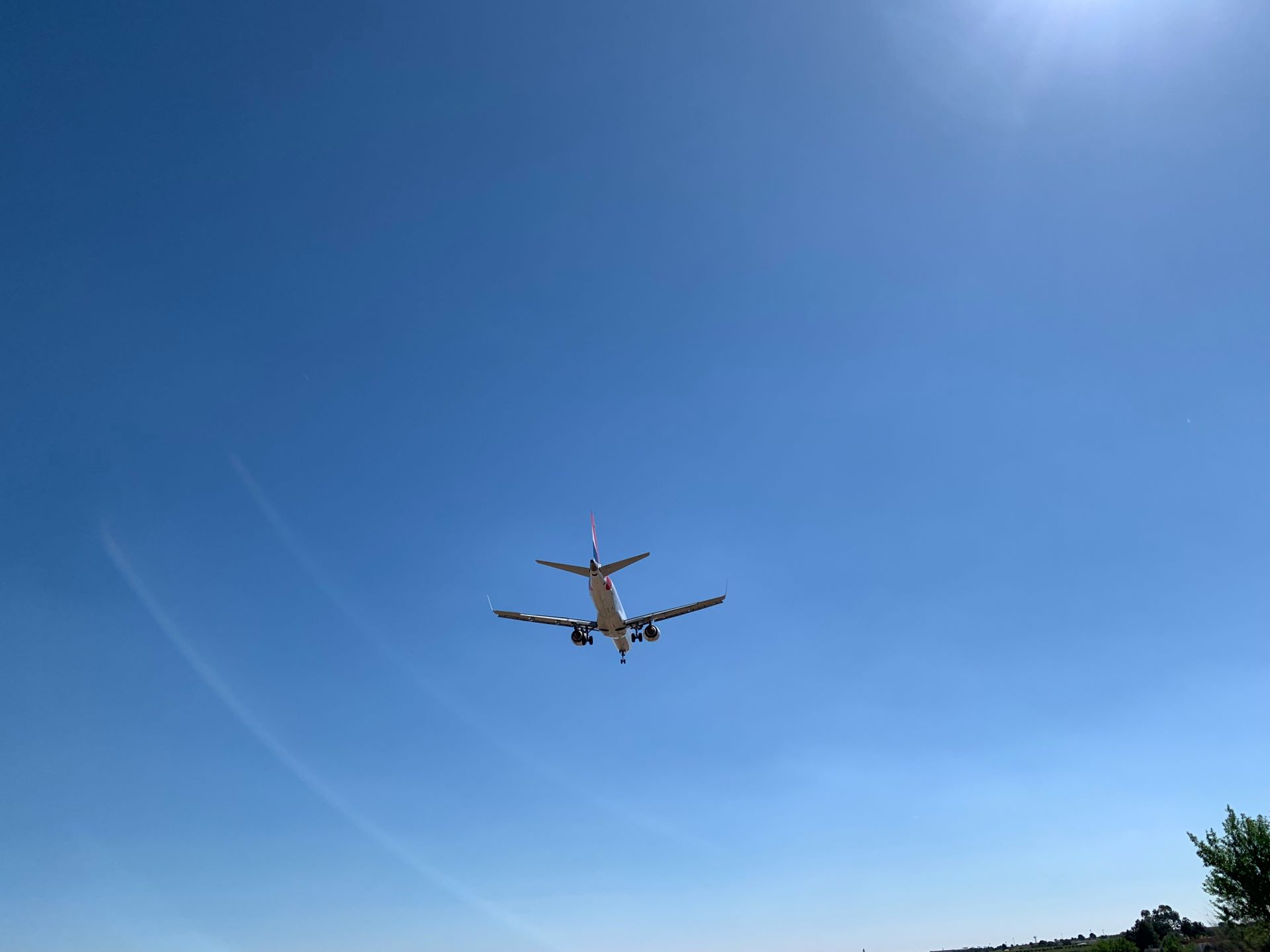
Missing Your Flight Is More Common Than You Think
Few travel experiences carry the quiet dread of watching the departure board shift from hopeful numbers into the stark, unforgiving word “Departed.” Missing a flight feels uniquely personal, almost like the airport itself decided to carry on without you. Yet in the world of airline tourism, this situation occurs far more often than travellers imagine. People misjudge traffic, lose track of boarding times, encounter unexpected delays at security, or simply misread their itinerary. Life, in all its unpredictable choreography, sometimes places a red traffic light between you and your boarding gate.
Air travel operates on tight precision. Airlines schedule aircraft rotations, crew shifts, fuel planning, and passenger manifests with the elegance of mechanical clockwork. When a passenger misses a flight, it creates a ripple, but modern airline systems are built to absorb such disturbances. The experience is uncomfortable but rarely catastrophic if handled correctly and promptly.
For travellers flying with major carriers such as South African Airways, policies are usually defined clearly in the ticket conditions, though the outcome depends heavily on the type of fare purchased and the reason for the missed flight.
Understanding what happens next is less about panic and more about knowing the road map after the mistake occurs. The world does not end at the departure gate, even if it sometimes feels that way when your plane is already slicing clouds somewhere overhead.

Why People Miss Flights
Missing a flight is rarely the result of a single dramatic failure. More often, it is a slow accumulation of small misjudgments that quietly turn into a problem.
Traffic congestion remains one of the biggest culprits, particularly in large urban hubs where airport access roads can feel like rivers that have forgotten how to flow. In South Africa’s metropolitan areas, unexpected roadworks, accidents, or public transport delays can easily consume the safety margin travellers set for themselves.
Security screening queues also play their part. Modern airport security procedures are designed to protect passengers, but they require time. International flights typically demand earlier arrival than domestic flights, and inexperienced travellers sometimes underestimate this difference.
Another frequent cause is confusion about boarding times. Departure time is not the same as boarding time, and boarding usually closes several minutes before the aircraft actually leaves the gate. Many travellers arrive believing they are still within schedule only to discover that the gate door has already closed like a polite but firm handshake that refuses to reopen.
Digital distractions contribute as well. People sometimes become absorbed in browsing airport shops, answering messages, or relaxing in lounge areas and lose track of time. Airports are oddly hypnotic environments. They make waiting feel like a neutral activity until it suddenly isn’t.
Weather disruptions, connecting flight delays, and medical or personal emergencies also play a role. Travel is rarely a perfectly scripted performance, and missing a flight is sometimes simply the result of chaos visiting politely.
The First Moments After You Realise You Missed the Flight
The emotional reaction matters less than the practical response. The first sensation is often disbelief, followed by a tightening sensation somewhere between the chest and stomach, as if gravity has briefly remembered your existence with bureaucratic seriousness.
The smartest action is to stay at the airport and immediately approach the airline’s customer service desk rather than leaving in frustration. Walking away from the airport usually complicates rebooking negotiations and may waste valuable time if a standby seat or same-day option exists.
Airline staff deal with missed passengers more often than most travellers expect. They are trained to guide passengers through rebooking options, fare differences, and next available flights.
Keep your travel documents, booking reference numbers, and identification ready. Efficiency at this stage can reduce both cost and stress.
If you are travelling domestically within South Africa or connecting internationally, check whether your ticket allows flexibility. Some fares include “no-show” protection clauses, while others treat missed flights as a completed transaction.
Rebooking Options and Airline Policies
Rebooking is the heart of recovery after a missed flight. However, airline policy is not universal. The outcome depends on fare structure, timing, and the reason for the missed departure.
Many airlines offer two primary pathways.
The first is voluntary rebooking, where the passenger accepts responsibility for missing the flight but requests another seat. This usually involves paying a change fee plus any difference between the original ticket price and the new fare. The closer the new departure is to the original one, the more likely the fare difference will be minimal, but this is not guaranteed.
The second pathway is standby listing. If the airline has empty seats or last-minute cancellations, passengers may be placed on a standby list for the next flight. This option is more common for domestic routes where aircraft turnover is faster.
For travellers using flexible or premium fare classes, rebooking can be surprisingly painless. Some premium tickets allow changes without penalty if done within specified time windows. Budget or promotional fares, however, often operate under stricter conditions.
Airlines generally classify missed flights as “no-show” cases if the passenger fails to arrive at the gate before departure. Once a ticket is marked as no-show, automatic cancellation of the remaining itinerary segments may occur. This is an important detail for travellers with connecting journeys.
Understanding these policy structures before purchasing tickets is one of the quiet forms of travel wisdom.
The Role of Fare Types in Missed Flight Outcomes
The price you pay for a ticket is not simply a number printed on paper or screen. It is a contract defining flexibility.
Fully flexible tickets are the travellers’ safety nets. They allow changes with minimal financial penalty. These tickets are more common among business travellers and passengers who value certainty over savings.
Economy promotional fares are usually the most restrictive. They are designed to fill seats efficiently and may offer little or no compensation if the passenger misses the departure. The airline’s obligation ends once the aircraft doors close.
Some airlines provide partial goodwill assistance if the passenger arrives shortly after boarding closes, particularly if the flight is not fully booked. However, this is discretionary rather than guaranteed.
Passengers travelling with carriers such as British Airways or other international airlines often find similar tiered flexibility structures in place, though exact rules vary.
The lesson is simple: if travel plans are uncertain, buying flexibility upfront is often cheaper than fighting policy boundaries later.
Connecting Flights and Chain Reactions
Missing the first leg of a connecting journey can feel like pulling one thread and watching the entire travel tapestry unravel.
Most airlines do not automatically protect passengers who miss flights due to personal delay. However, if the missed connection is caused by a delay on the airline’s side, passengers may be rebooked without additional cost under international passenger protection standards.
Travellers should always confirm whether their ticket is a single booking or separate bookings for each segment. A single booking generally offers more protection because the airline treats the journey as one contractual movement rather than multiple independent trips.
If you are flying internationally, it is wise to allow generous layover times. Airports are living ecosystems where distance between arrival and departure gates can be unexpectedly vast, especially in major global hubs.
what happens when you miss your flight-1
Can You Get a Refund?
Refunds after missing a flight are not automatically granted.
Most airlines do not refund standard non-refundable tickets if the passenger simply fails to arrive. However, some carriers may offer partial refunds by retaining administrative or cancellation fees.
Passengers holding travel insurance have a stronger safety net. Some insurance policies cover missed flights caused by specific circumstances such as medical emergencies, transport breakdowns, or documented unexpected events.
The terms of insurance coverage are critical. Travel insurance is not a magical financial umbrella; it is more like a carefully stitched patchwork that protects against defined risks.
The Cost of Waiting Too Long to Respond
Time is the enemy of recovery after a missed flight.
The longer a passenger waits, the fewer rebooking options remain. Aircraft seats are perishable inventory. Once a flight departs, the empty seat disappears into statistical memory.
Many airlines release unused seats for resale or standby allocation shortly before departure. Therefore, approaching airline staff immediately can sometimes still secure travel on the same day.
Psychological Side of Missing a Flight
Missing a flight can trigger a strange emotional cocktail of frustration, embarrassment, and self-criticism.
Travellers may feel they have failed in some small but meaningful way. This reaction is normal but unnecessary. Modern travel is a system of high-speed coordination involving thousands of moving parts. A single missed departure does not define the traveller.
Professional frequent flyers often treat missed flights as operational setbacks rather than personal errors. They move to solution mode quickly, focusing on the next available route rather than the one that vanished behind the horizon.
Prevention Is Better Than Panic
The best strategy is still prevention.
Arrive early enough to absorb unexpected delays. Keep electronic copies of booking references on your phone and email. Activate airline notifications if available. Monitor traffic conditions before leaving for the airport.
If flying with carriers such as Emirates (airline) or other long-haul operators, check check-in and boarding closing times carefully because international flight procedures are stricter.
Travel planning is not just about choosing destinations. It is about designing time buffers that allow life to be slightly unpredictable without becoming chaotic.
When Missing a Flight Might Be Out of Your Control
Sometimes passengers miss flights due to circumstances beyond their influence.
Medical emergencies, sudden family events, or transportation failures can create legitimate justification for rebooking assistance. In such cases, speaking politely and honestly with airline staff can sometimes lead to more favourable outcomes, though guarantees are rare.
Airlines are commercial operations but also human institutions staffed by people who understand that travel is part logistics and part life story.

The Simple Truth About Missed Flights
Missing a flight is inconvenient but rarely life-ending in the context of modern airline tourism. Air transport networks are designed with redundancy and recovery mechanisms because human schedules are imperfect creatures.
The important response is not to freeze in frustration but to move quickly toward resolution. Approach airline counters, review ticket conditions, and explore alternative departures. Travel, after all, is not about perfection. It is about continuation.
Even if one aircraft leaves without you, the sky remains open, patient, and quietly waiting for the next journey.