

Why Airport Runway Direction Is Critical to Flight Safety
Date Published
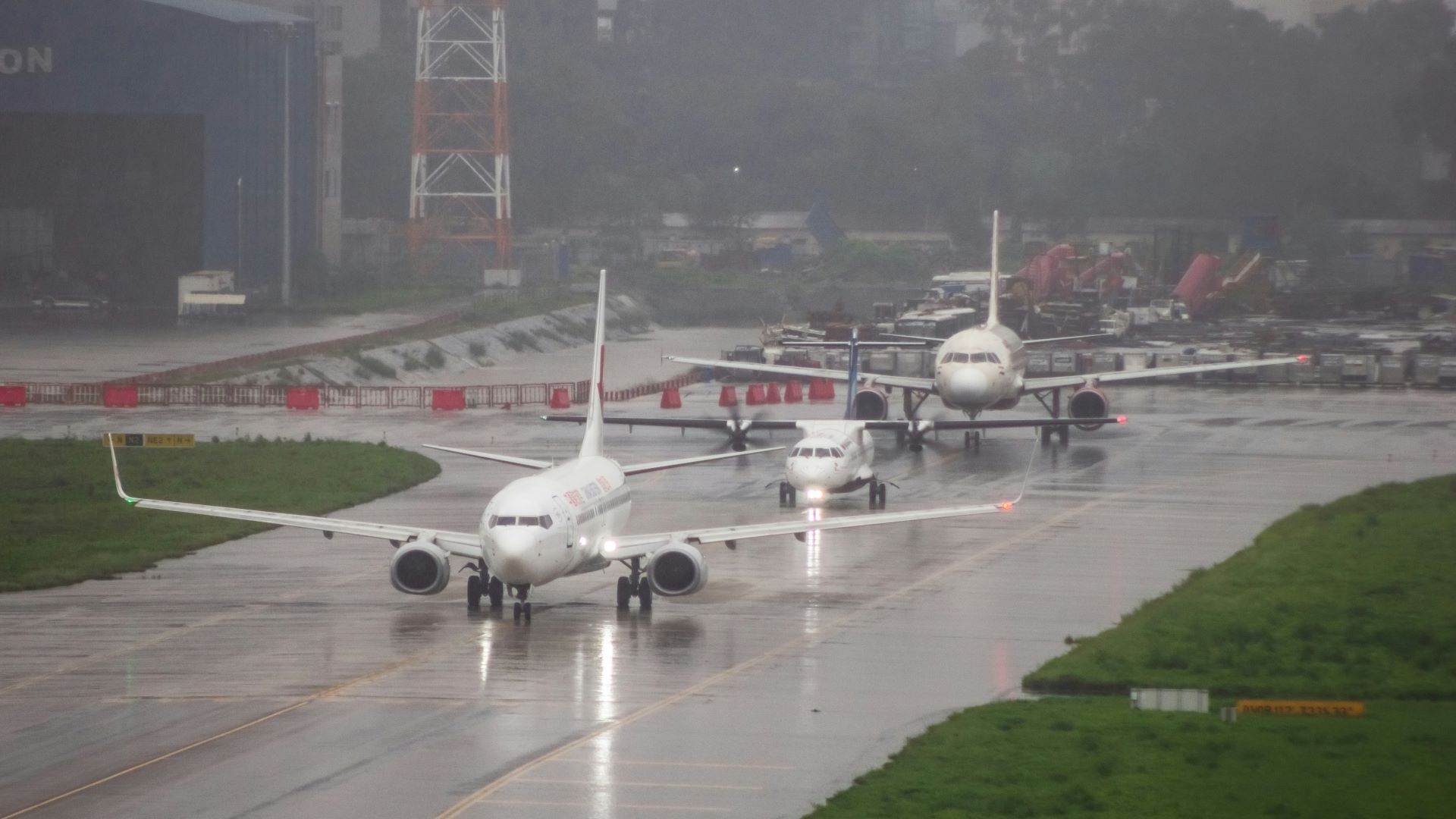
To the casual traveller gazing out of a terminal window, a runway may appear as a simple strip of asphalt stretching toward the horizon. Yet beneath that apparent simplicity lies a carefully engineered alignment shaped by physics, geography, and decades of aviation experience. Runway direction is not arbitrary. It is the product of meticulous planning that balances wind behaviour, aircraft performance limits, safety protocols, and operational efficiency.
In commercial airline tourism, where reliability and safety underpin the entire travel experience, runway orientation quietly dictates how smoothly flights depart and arrive. It determines whether an aircraft glides effortlessly into the sky or strains against invisible forces, whether landings feel routine or demand heightened pilot precision.
Understanding why runway direction matters reveals a hidden layer of aviation infrastructure that most passengers never consciously notice, yet rely on every time they fly.

Reading the Wind: Aviation’s Primary Influence
Wind is the dominant force shaping runway direction. Aircraft perform best when taking off and landing into the wind, a principle rooted in basic aerodynamics. When an aircraft faces a headwind, the airflow over its wings increases without requiring additional ground speed. This means the aircraft can lift off sooner and land more slowly, reducing runway distance requirements and improving safety margins.
Conversely, tailwinds are undesirable. They force aircraft to travel faster along the ground to achieve the same lift, increasing the required runway length and placing additional stress on braking systems during landing.
Airport planners study long-term wind data, often spanning decades, to identify prevailing wind patterns. These patterns are not static. They shift with seasons, weather systems, and even time of day. The goal is to align runways with the most common wind directions so that aircraft can operate into headwinds as often as possible.
At major international airports, this analysis results in runways oriented along specific compass bearings, typically rounded to the nearest ten degrees and expressed as runway numbers. A runway labelled “09” points roughly east at 90 degrees, while “27” points west at 270 degrees. This numbering system reflects the magnetic compass heading pilots use during operations.
The Physics of Takeoff and Landing
Runway direction directly influences aircraft performance, particularly during the critical phases of takeoff and landing. These are the moments when aircraft are closest to the ground, operating at lower speeds, and most vulnerable to environmental factors.
During takeoff, an aircraft must generate sufficient lift to overcome its weight. A headwind reduces the ground speed required to achieve this lift, allowing for shorter takeoff distances. This is especially important at busy commercial airports where runway space is limited and traffic volume is high.
Landing presents a different set of challenges. Aircraft must dissipate kinetic energy and come to a controlled stop within the available runway length. A headwind reduces ground speed upon touchdown, shortening the stopping distance and improving braking effectiveness.
Crosswinds, which blow perpendicular to the runway, introduce additional complexity. Pilots must adjust their approach angle and maintain precise control to keep the aircraft aligned with the runway centreline. While modern aircraft are designed to handle significant crosswinds, there are strict limits. If crosswinds exceed these limits, flights may be delayed, diverted, or cancelled.
By aligning runways with prevailing winds, airports minimise crosswind exposure and ensure that aircraft can operate within safe performance envelopes more consistently.
Safety Margins and Risk Reduction
Safety is the foundation of commercial aviation, and runway direction plays a central role in maintaining it. Every aspect of runway alignment is designed to reduce risk, from minimising adverse wind conditions to accommodating emergency scenarios.
One key consideration is runway length relative to aircraft performance. Even with optimal wind alignment, aircraft require sufficient distance to accelerate, lift off, or decelerate safely. When winds are unfavourable, this margin becomes even more critical.
Runway direction also affects obstacle clearance. Aircraft must be able to climb safely after takeoff and descend safely during landing without encountering terrain, buildings, or other hazards. In some cases, this requires compromises in runway orientation to ensure safe approach and departure paths.
Airports often incorporate multiple runways with different orientations to provide flexibility under varying wind conditions. This redundancy allows air traffic controllers to switch runway usage as weather changes, maintaining safe operations even when wind patterns shift.
The Role of Geography and Terrain
While wind is the primary factor, geography imposes its own constraints on runway direction. Airports are often built in environments where terrain, urban development, and environmental considerations limit available space.
Mountainous regions present unique challenges. Valleys can channel winds in specific directions, creating strong and sometimes unpredictable airflow patterns. In such cases, runway orientation must account not only for prevailing winds but also for localised wind behaviour influenced by terrain.
Coastal airports face another set of dynamics. Sea breezes and land breezes can cause daily shifts in wind direction, requiring flexible runway configurations. Airports in these regions may rely heavily on multiple intersecting runways to accommodate changing conditions.
Urban environments add further complexity. Noise abatement procedures often influence runway usage, directing aircraft away from densely populated areas where possible. This can sometimes conflict with optimal wind alignment, requiring careful balancing of safety, efficiency, and community impact.
Operational Efficiency in Commercial Aviation
Runway direction is not solely about safety. It also has a profound impact on operational efficiency, particularly in high-traffic commercial aviation hubs.
Efficient runway alignment allows for smoother traffic flow, reducing delays and improving on-time performance. When aircraft can consistently take off and land into the wind, turnaround times are reduced, fuel consumption is optimised, and scheduling becomes more predictable.
Airports with parallel runways aligned with prevailing winds can handle higher traffic volumes by allowing simultaneous takeoffs and landings. This is a critical factor in major international hubs where hundreds of flights operate daily.
Conversely, poorly aligned runways can lead to frequent operational disruptions. Aircraft may need to wait for suitable wind conditions, increasing congestion and cascading delays throughout the network.
For travellers, these operational efficiencies translate into shorter wait times, fewer delays, and a more seamless travel experience.
Technology and Modern Runway Management
Advancements in technology have enhanced the way airports manage runway direction and usage. Modern air traffic control systems integrate real-time weather data, allowing controllers to adjust runway assignments dynamically based on current conditions.
Wind sensors positioned around the airport provide continuous updates on speed and direction. This data is fed into decision-making systems that help determine the safest and most efficient runway configuration at any given moment.
Aircraft themselves are equipped with sophisticated avionics that assist pilots in handling crosswinds and other challenging conditions. However, these technologies complement rather than replace the fundamental importance of proper runway alignment.
Simulation tools are also used during the planning phase of new airports or runway expansions. These tools model wind patterns, aircraft performance, and traffic flow to identify optimal runway orientations before construction begins.
Seasonal and Climate Considerations
Wind patterns are not static over time. Seasonal variations can significantly influence runway usage. In some regions, prevailing winds shift direction between summer and winter, requiring airports to adapt their operations accordingly.
Climate change is introducing new variables into this equation. Changes in global weather patterns may alter local wind behaviour, potentially affecting runway efficiency and safety over the long term. Airports must increasingly consider these factors when planning future infrastructure.
In regions with extreme weather conditions, such as strong seasonal winds or frequent storms, runway orientation becomes even more critical. Designing runways that can accommodate these conditions ensures that airports remain operational under a wide range of scenarios.
The Passenger Perspective
For most travellers, runway direction is an invisible factor. Yet its impact is felt in subtle ways throughout the journey. A smooth takeoff into a steady headwind, a stable landing with minimal turbulence, and the absence of delays caused by adverse weather all reflect the effectiveness of runway design.
Occasionally, passengers may notice changes in runway usage, particularly at airports with multiple runways. Aircraft may approach from different directions depending on wind conditions, offering varying views of the surrounding landscape.
These variations are a reminder that aviation is a dynamic system, constantly adapting to environmental conditions to ensure safety and efficiency.
Case Studies in Runway Design
Airports around the world provide examples of how runway direction is tailored to local conditions.
Large international hubs often feature multiple parallel runways aligned with prevailing winds, maximising capacity and efficiency. In contrast, smaller regional airports may have a single runway oriented to best match dominant wind patterns.
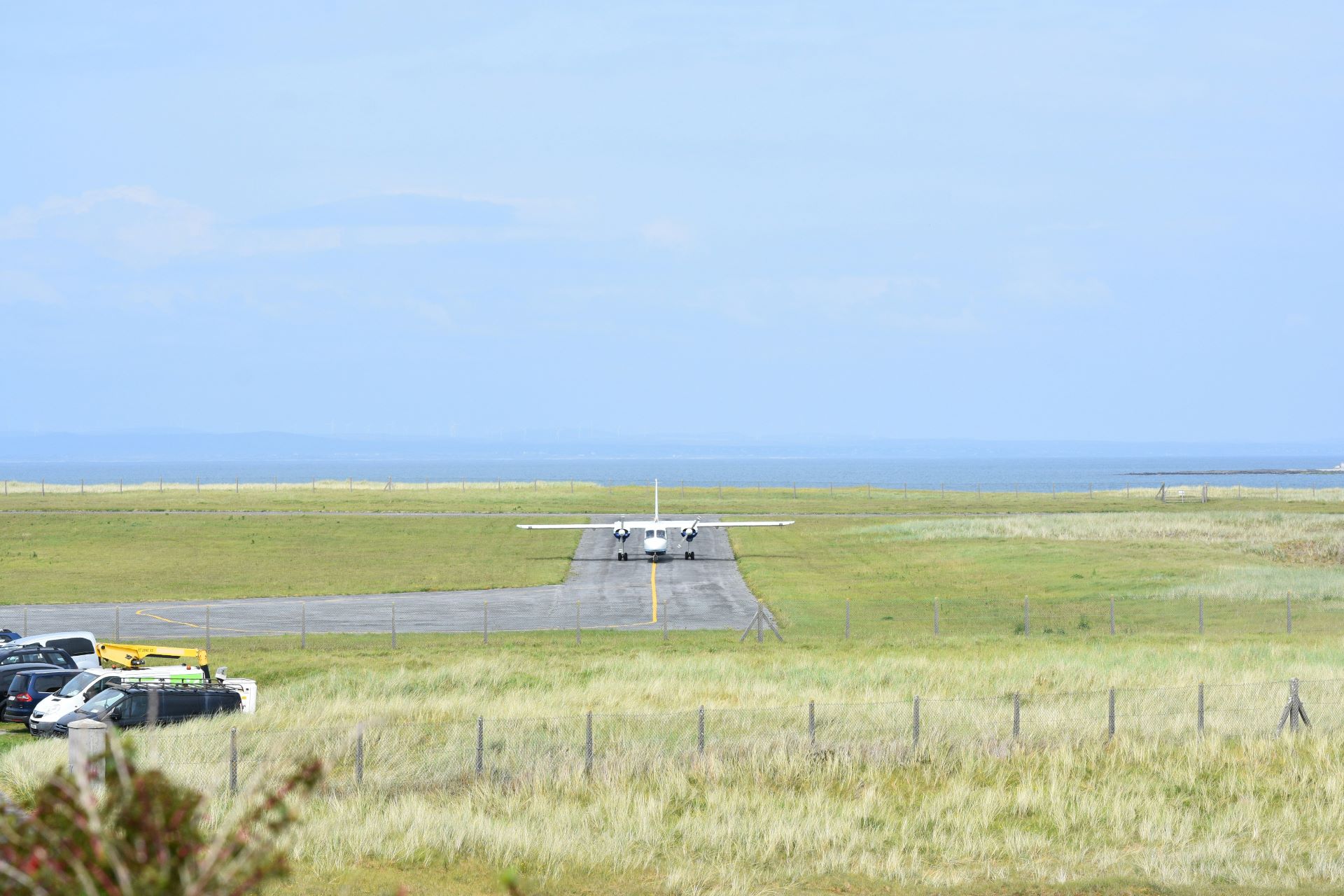
Airports in challenging environments, such as those surrounded by mountains or located on islands, demonstrate the complexity of balancing wind alignment with geographic constraints. These airports often require specialised procedures and highly skilled pilots to operate safely.
Each of these examples underscores the importance of runway direction as a fundamental element of airport design.
Balancing Competing Priorities
Designing runway direction involves balancing multiple, sometimes competing priorities. Wind alignment, safety, efficiency, environmental impact, and community considerations must all be weighed carefully.
In some cases, compromises are unavoidable. An ideal wind-aligned runway may not be feasible due to terrain or urban development. In such situations, engineers and planners must find solutions that maintain safety while accommodating other constraints.
This balancing act is a testament to the complexity of modern aviation infrastructure. It highlights the need for interdisciplinary collaboration between engineers, meteorologists, urban planners, and aviation authorities.
The Future of Runway Planning
As air travel continues to grow, the importance of optimising runway direction will only increase. Emerging technologies, such as advanced weather forecasting and data analytics, are expected to play a greater role in runway planning and management.
Sustainable aviation initiatives may also influence runway design. Efforts to reduce fuel consumption and emissions could drive further optimisation of runway orientation to maximise efficiency.
In the long term, the integration of autonomous systems and artificial intelligence may enhance decision-making processes, allowing for even more precise alignment with environmental conditions.
Despite these advancements, the fundamental principles remain unchanged. Wind, physics, and safety will continue to guide the direction of runways, ensuring that aircraft can operate reliably in an ever-evolving environment.
Conclusion: Direction as a Foundation of Flight
Runway direction is one of the most critical yet underappreciated aspects of commercial aviation. It is a silent orchestrator, aligning aircraft with the forces of nature to enable safe and efficient flight.
From the analysis of wind patterns to the consideration of terrain and urban constraints, every decision about runway orientation reflects a deep understanding of aviation dynamics. These decisions shape not only how aircraft move but also how passengers experience air travel.
For the aviation industry, runway direction is more than a design choice. It is a cornerstone of safety, performance, and operational excellence. For travellers, it is an unseen assurance that every journey begins and ends on a foundation carefully aligned with the world’s invisible currents.